Winter Feeding Tips for American Robins
As winter descends, many of us bird lovers, seek ways to assist our local wildlife, particularly the American Robin. These birds face significant challenges during the colder months when food becomes scarce.
Below I will offer you some effective feeding strategies to ensure Robins receive the nutrition they need to thrive throughout winter.
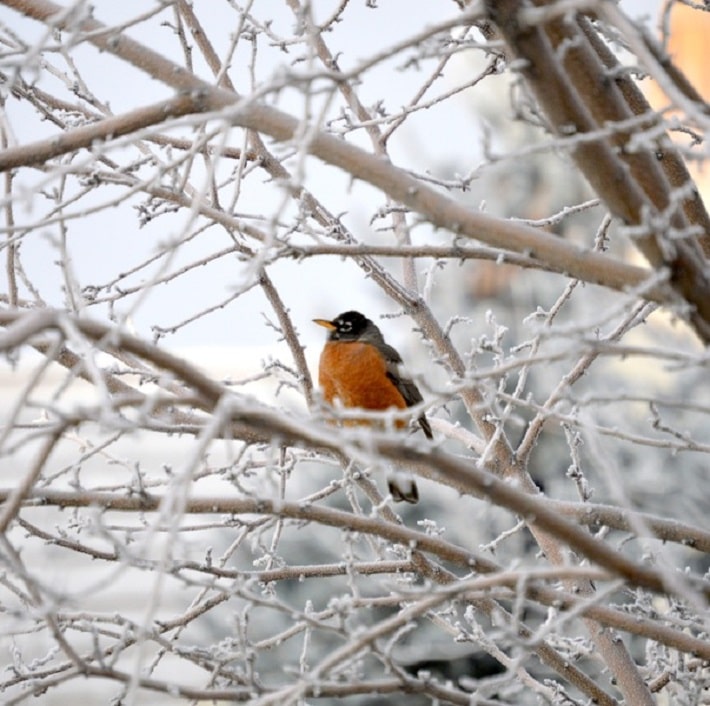
Understanding the Winter Diet of Robins
During the winter season, Robins adapt their diets based on the availability of food sources.
While they primarily consume insects and worms during warmer months, their winter meals consist of a variety of options. Here are some essential components to consider for their winter diet:
- Fruits: Robins are particularly fond of berries, such as those from holly, juniper, and dogwood trees. These fruits are rich in vitamins and provide the energy needed to survive the cold.
- Mealworms: Both dried and live mealworms are excellent sources of protein. Offering these can attract robins to your yard, especially during harsh weather.
- Suet: High-energy suet cakes, especially those mixed with seeds and fruits, can be a great addition to their diet. Suet provides essential fats that help robins maintain their energy levels.
- Earthworms: If the ground is not frozen, robins may still hunt for earthworms, which are a staple in their diet. Providing a soft, moist area in your garden can encourage these natural food sources.
Recommended Foods for Winter Feeding
| Food Type | Benefits | How to Offer |
|---|---|---|
| Berries | Rich in vitamins and antioxidants | Place in a bird feeder or scatter on the ground |
| Mealworms | High in protein, great for energy | Offer in a shallow dish or specialized feeder |
| Suet | Provides essential fats for energy | Use a suet feeder or hang in mesh bags |
| Earthworms | Natural food source, high in protein | Leave in the garden or provide in a dish |
Creating an Inviting Winter Feeding Station
Establishing a feeding station can significantly aid robins and other birds during winter. Here are some tips for setting up an effective feeding area:
- Choose a sheltered location that protects birds from harsh weather conditions, such as wind and snow.
- Utilize a variety of feeders to accommodate different food types and preferences, ensuring a diverse menu for visiting robins.
- Regularly clean feeders and refill them to ensure a consistent food supply, preventing spoilage and attracting more birds.
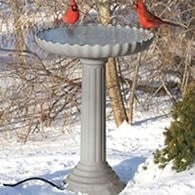
- Consider adding a heated birdbath to provide hydration during freezing temperatures, as access to water is crucial for their survival.

Another Option
One of the ways that I feed robins in winter is to place a layer of leaves on the top of my garden and flower beds.
This creates a forest-like floor where they can hunt insects during the freeze-thaw cycles, helping themselves and me by removing some of plant destroying insects we deal with in the summer.
Feeding Techniques for Attracting Robins
To effectively attract robins to your feeding station, consider employing various feeding techniques. Here are some strategies that can enhance your chances of success:
- Timing: Robins are most active during the early morning and late afternoon. Ensure that food is available during these peak times.
- Mixing Foods: Combine different food types in feeders to create a diverse menu. For example, mix mealworms with suet or scatter berries among sliced fruits.
- Ground Feeding: Robins often forage on the ground. Scatter food directly on the ground or use platform feeders to mimic their natural feeding behavior.
- Use of Natural Habitat: Incorporate native plants in your garden that produce berries and provide shelter. This will create a more inviting environment for robins.
Pros and Cons of Different Feeding Options
| Feeding Option | Pros | Cons |
|---|---|---|
| Berries | Natural food source, attracts robins easily | Seasonal availability, may spoil quickly |
| Mealworms | High in protein, easy to store and offer | Can be expensive, may attract unwanted pests |
| Suet | High energy, great for cold weather | Can melt in warm weather, requires specific feeders |
| Earthworms | Natural diet, highly nutritious | Not always available, may require effort to find |
Key Points to Remember
When feeding robins in winter, keep these essential points in mind:
- Robins are omnivorous and will benefit from a varied diet that includes fruits, proteins, and fats.
- Consistency is key; regularly refill feeders and provide fresh food to keep robins returning.
- Monitor the weather; during extreme cold, ensure that food and water sources are accessible and not frozen.
- Be patient; it may take time for robins to discover your feeding station, especially if they are not accustomed to it.
- Also, include a source of open water whether a bird bath you refill daily or a heated as the need for hydration is present in winter just like summer.
Wrapping it Up
By understanding their dietary needs and employing effective feeding strategies, you can help these special birds thrive despite the challenges of the cold season.
Remember to provide a variety of food options, maintain a clean feeding environment, and create a welcoming habitat. With a little effort, you can enjoy the sight of robins visiting your yard throughout the winter.
For more information on bird feeding and care, consider exploring local wildlife resources or joining a birdwatching community. Happy birding!
- Do Baby Robins Leave the Nest at Night?
- How Do Robins Find Worms: Listening, Feeling, Sight
- Robins Keep Nesting on My Porch
- Robins Nesting in Hanging Plants
- Video of the Robins Nest Cycle
- Tips on Attracting More Robins To Your Backyard
- Watch as Baby Robins (juvenile) Leave The Nest
- Nest Shelf | Bird House for Robins and Doves
 Readers Digest Guide
|
 Golden Guide
|
 Your State Only
|
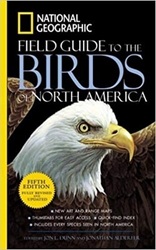 Nat-Geo Guide
|

Gene Planker is the creator of Wild-Bird-Watching.com, where he shares over 50 years of backyard birding experience. His guides help readers understand the nesting, feeding, and behavior of backyard birds.

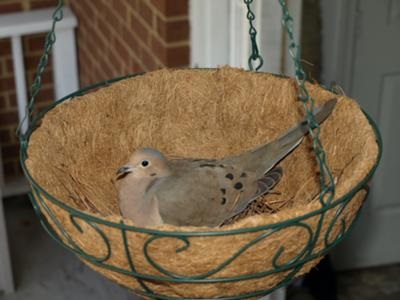
Before trimming shrubs or mowing, check for active nests. Many birds begin nesting earlier than expected, and a quick look can prevent accidentally disturbing a brood.
"What an awesome website. My little one and I enjoy playing the different bird calls and watching some of the videos, thank you!"
– Linda B., Illinois