Why I Stopped Using Nyjer Seed for Goldfinches (And What Works Better)
Quick Answer: After years of using nyjer seed, I switched to sunflower chips because they stay fresh longer, are easier to source in good condition, attract goldfinches more consistently, and don't spoil as quickly in humid weather.
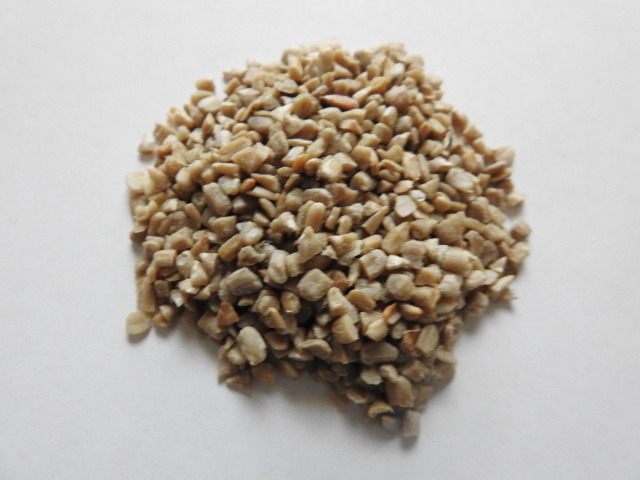
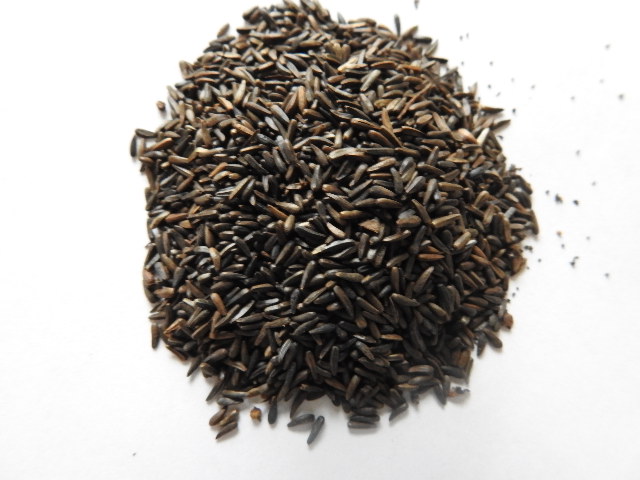
Nyjer isn't bad for goldfinches, but sunflower chips work better for my feeding situation.
For years, nyjer seed was a staple at my feeders. Like many birders, I used it specifically to attract American Goldfinches, and for a long time, it worked exactly as advertised.
Over time, though, I phased it out. Not because nyjer suddenly stopped attracting birds, and not because there is anything wrong with people who continue to use it.
I stopped using nyjer based on nutrition, freshness, cost, and how consistently birds actually used it.
What is nyjer seed and why does it need sterilization?
Nyjer seed (also called thistle seed, though it's not actually thistle) comes from the African yellow daisy plant (Guizotia abyssinica).
It's imported primarily from Ethiopia, India, and other regions where the plant grows naturally.
Because nyjer is imported and could potentially germinate into invasive plants, the USDA requires heat sterilization before it enters the United States.
This sterilization is necessary and important for preventing invasive species.
The heat treatment process prevents the seed from sprouting, which is exactly what it's designed to do.
However, heating does change the seed itself, it reduces some of the natural enzymes and can affect the oil content that makes nyjer attractive to finches in the first place.
While nyjer remains high in fat and calories after sterilization, it is no longer quite the same product that birds would encounter in the wild.
Why is nyjer seed freshness so hard to judge?
One of my biggest frustrations with nyjer seed is that freshness is almost impossible to assess before you buy it, or even after you open it.
With sunflower chips or hearts, you can see quality immediately. Cracked shells, excessive dust, or off-odors signal problems.
Nyjer provides no such feedback until birds simply refuse to eat it.
I have had feeders full of nyjer that looked perfectly fine but went completely untouched.
When that happens, you're left guessing whether the problem is bird behavior, feeder placement, weather, or simply stale seed.
The issue is this: you have no way of knowing how long that bag of nyjer sat in a warehouse before it reached the store shelf, then your home, then your feeder.
A "fresh" purchase might already be months old.
Nyjer seed contains natural oils that attract finches. Once those oils oxidize from exposure to air, heat, or light, the seed becomes less appealing, Birds can detect this.
Does moisture and mold make nyjer seed impractical?
Even perfectly fresh nyjer faces a critical vulnerability: extreme sensitivity to moisture.
The thin hull makes it defenseless against humidity and precipitation. In my experience, this became the biggest practical problem with nyjer feeding.
In our humid Kansas weather or after rain, my nyjer seed clumped together inside feeders. Once it clumps, birds will not touch it, and it poses health risks to birds.
After each rain event, feeders require inspection. Any sign of clumping demands immediate cleaning and refilling.
Personally I found myself discarding seed far more often than I was comfortable with. My money tree is bare.
Compare this to sunflower chips, and while no seed is completely immune to spoilage, sunflower-based products provide significantly more tolerance for real-world weather conditions.
Why I switched to sunflower chips and sunflower hearts
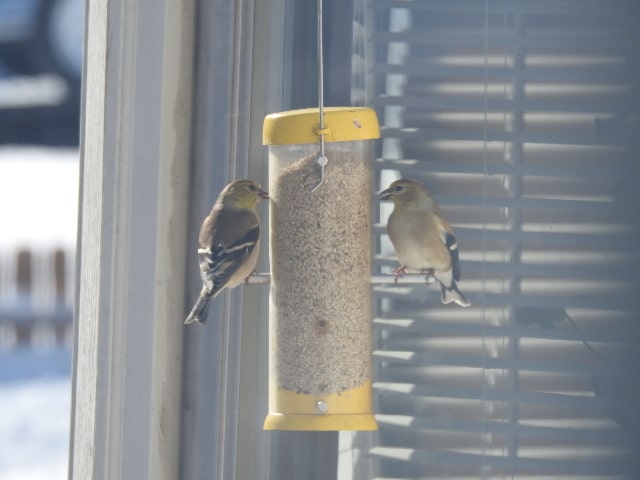
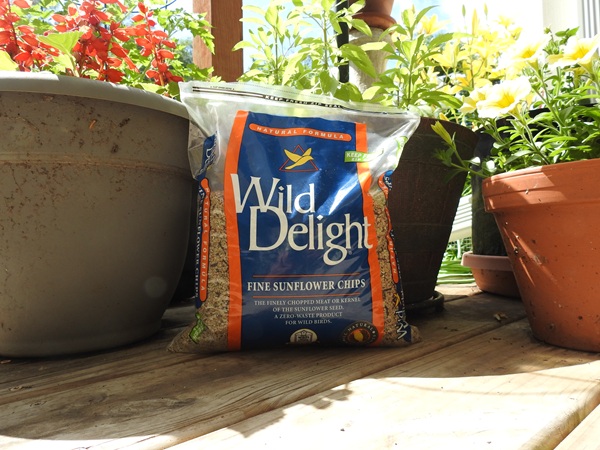
Today, I use sunflower chips (also called sunflower hearts when larger) in place of nyjer seed. The transition solved every practical problem I had been dealing with.
Sunflower chips are simply hulled sunflower kernels, chopped to sizes appropriate for different feeders.
Fine chips work great in thistle feeders with small ports. Larger hearts fit standard feeder designs of all types.
Goldfinches adapted immediately. The same feeders that had been ignored when filled with old nyjer were suddenly active again within days of switching to sunflower chips.
What makes sunflower chips work better for me
Several practical advantages became clear after making the switch:
- Easier freshness verification: Visual inspection reveals quality immediately. Fresh chips appear light-colored with no odor. Spoiled chips darken and off-smelling.
- Better moisture resistance: Sunflower chips handle humidity and rain better than nyjer. While they can still spoil if left wet for extended periods, they are far more forgiving of normal weather conditions.
- Broader species appeal: Goldfinches consume sunflower chips enthusiastically, but chickadees, titmice, nuthatches, and other species also feed readily. This increases overall feeder activity.
- Zero waste from shells: Hulled seeds eliminate mess under feeders and reduce waste from discarded shells that would accumulate with in-shell sunflower seed.
- More consistent bird activity: Since switching, I see steadier goldfinch visits throughout the year, not just during peak seasons when natural food is scarce.
If you are curious what goldfinches eat through the year, see American Goldfinch Feeding Guide.
I also cover some squirrel resistant feeders you can use for chips and hearts along with other types of seeds here: Squirrel Resistant Feeders - What I Use.
Comparing nyjer seed vs sunflower chips
Quick Comparison: Nyjer Seed vs Sunflower Chips
Requires heat sterilization (affects nutrition), freshness hard to judge, spoils quickly when wet, needs specialized feeders, hull drop on the ground
Minimally processed, freshness easy to verify, more moisture-resistant, works in most feeder types, attracts multiple species, no waste
Both seeds work for goldfinches when conditions are right. The difference is that sunflower chips maintain those "right conditions" far more reliably over time.
For birders in dry climates who buy small quantities of very fresh nyjer and use it quickly, nyjer can still be an excellent choice.
For everyone else, sunflower chips offer more consistent results with less maintenance and waste.
What I see at my feeders now
Since switching to sunflower chips, I see goldfinch activity that is both steadier and more predictable throughout the year.
Goldfinches now visit daily, feed for longer periods, and bring other finch species along with them.
Downy Woodpeckers, tufted titmice, and House Finches, which showed little interest in nyjer, now feed regularly alongside goldfinches.
This isn't just about goldfinches preferring one seed over another. It's about reliability. Sunflower chips are just more consistent.
When nyjer seed still makes sense
Nyjer seed still works well for many birders, and there is no reason to stop using it if it's performing well in your yard.
If you live in a dry climate, buy small quantities, and go through seed quickly, nyjer can be perfectly effective.
The issues I experienced, freshness, deterioration, and moisture problems, matter less when conditions favor rapid turnover.
Some birders also prefer nyjer specifically because it attracts finches while deterring larger, more aggressive species.
I get it, that's why I used it. But using this squirrel resistant feeder and the chips, I get goldfinches daily.
I am not suggesting that nyjer is a bad choice for everyone. I am simply sharing why it stopped making sense for my particular feeding situation, and what has worked better since I made the change.
My recommendation for goldfinch feeding
If you are currently using nyjer and experiencing problems with inconsistent bird activity, frequent waste, or constant feeder maintenance, consider trying sunflower chips for a few weeks.
You do not need to replace all your feeders. Start by filling one finch feeder (one with the small ports) fine sunflower chips and observe what happens. If not squirrel resistant, protect from squirrels.
For my setup, sunflower chips provide better nutrition, fewer problems, and more reliable results.
Your experience may vary depending on your climate, local bird populations, and feeding goals.
Bird feeding is about observation, adjustment, and choosing what best supports the birds you enjoy watching.
There is no single "right" answer, only what works best for your particular situation.
For a broader overview of goldfinch nutrition and natural diet, the Cornell Lab of Ornithology provides an excellent reference.
Related Reading:
 Readers Digest Guide
|
 Golden Guide
|
 Your State Only
|
 Nat-Geo Guide
|

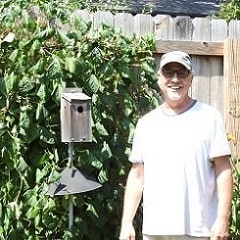
Gene Planker is the creator of Wild-Bird-Watching.com, where he shares over 50 years of backyard birding experience. His guides help readers understand the nesting, feeding, and behavior of backyard birds.

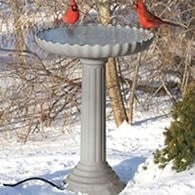
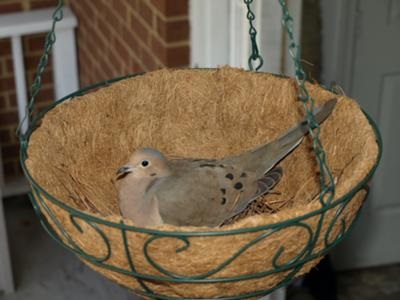
Before trimming shrubs or mowing, check for active nests. Many birds begin nesting earlier than expected, and a quick look can prevent accidentally disturbing a brood.

"What an awesome website. My little one and I enjoy playing the different bird calls and watching some of the videos, thank you!"
– Linda B., Illinois