Stop Grackles and Starlings With a Large Bird Proof Bird Feeder
If you are trying to stop big birds from taking over your feeder, you are not alone.
Grackles, starlings, and other aggressive birds can empty a feeder quickly and drive smaller birds away entirely.
I've found, through trial and error, that a large bird-proof bird feeder effectively solves this problem.
The design: a wire cage surrounding the feeder that physically blocks larger birds while allowing small birds to feed normally.
Small birds can pass through the cage openings, but larger birds cannot, making this one of the most reliable ways to stop bully birds at feeders.
Why Grackles and Starlings Are Such a Problem
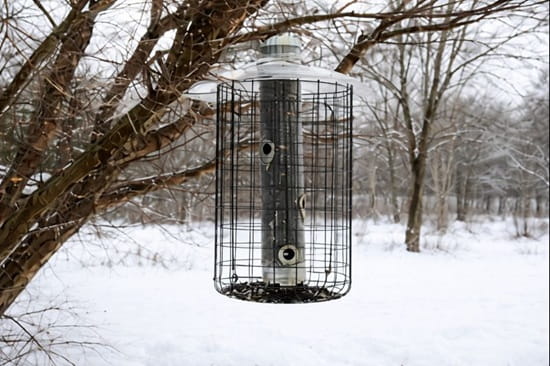
Grackles and starlings are flock birds. Once they discover a feeder, they return in numbers and do not share space well.
Smaller birds tend to avoid feeders once they are crowded or dominated.
This becomes most noticeable in early spring, when natural food is still limited but migration is underway.
Feeders become high-value targets, and without some form of control, larger birds usually win.
How a Large Bird Proof Feeder Works
Unlike weight-activated feeders, a caged feeder does not rely on balance or moving parts. It simply prevents access.
The wire cage is spaced so that small birds can slip through to reach the seed ports.
Larger birds cannot fit their bodies or heads through the openings, so they are effectively shut out.
Because there are no mechanical components, there is very little to fail over time.
Why I Ended Up Buying One
I originally saw this style of feeder at my local feed store where I buy bird seed, peanuts, and specialty mixes.
The price was over $100, so I passed on it for a few seasons.
I eventually bought it for one specific reason: to stop grackles and other bully birds during early spring, when natural food is scarce but feeder pressure is high.
It did exactly what I needed it to do.
Unfortunately, the Droll Yankee model I own is no longer available.
A Comparable Replacement Option
The closest match I have found is the Woodlink Caged Seed Tube Bird Feeder
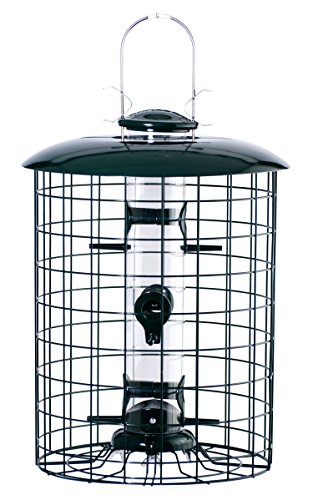

I want to be clear that I have not used this exact feeder myself. My original model was discontinued, so I cannot speak to this specific product.
I include it because the caged design itself is proven. This style of feeder is consistently effective at stopping large birds while still allowing smaller species to feed.
Birds That Use This Feeder Style
Based on my experience with this type of feeder, these birds had no trouble learning to use it:
- Black-capped Chickadees
- Tufted Titmouse
- House Finches
- Downy Woodpeckers
- American Goldfinches
It can take a little time for birds to trust a caged feeder, but once they do, they use it normally.
What to Watch Out For
Caged feeders are not perfect.
Smaller birds may ignore them at first, especially if easier feeders are nearby. They also tend to be used less when food pressure is low.
That said, when grackles or starlings are overwhelming your feeding area, this design can quickly restore balance.
One important tip: choose the largest cage diameter you can find.
Wider cages give small birds more room to move and reduce the chances of larger birds reaching the ports.
Some smaller caged feeders allow grackles to perch on the outside and stretch to get the seed inside.
For reference, the feeder I use is about 12 inches in diameter, and that size made a noticeable difference.
When This Type of Feeder Makes Sense
A large bird proof bird feeder is most useful when you are actively trying to stop grackles, stop starlings, or protect smaller birds during periods of heavy feeder pressure.
It is not meant to replace every feeder in your yard. It is a targeted solution for a specific problem, and when used that way, it works well.
 Readers Digest Guide
|
 Golden Guide
|
 Your State Only
|
 Nat-Geo Guide
|

Gene Planker is the creator of Wild-Bird-Watching.com, where he shares over 50 years of backyard birding experience. His guides help readers understand the nesting, feeding, and behavior of backyard birds.

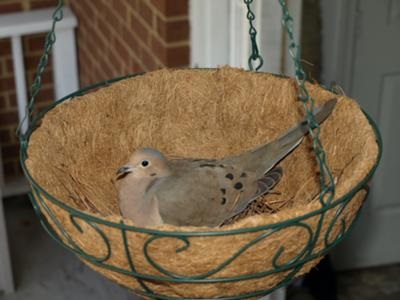
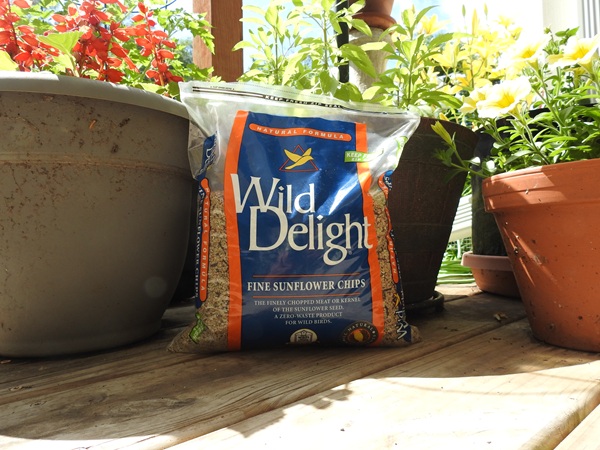
Before trimming shrubs or mowing, check for active nests. Many birds begin nesting earlier than expected, and a quick look can prevent accidentally disturbing a brood.

"What an awesome website. My little one and I enjoy playing the different bird calls and watching some of the videos, thank you!"
– Linda B., Illinois