Do Purple Martins Eat Mosquitoes? The Surprising Truth About This Common Myth
Research examining 350 diet samples found zero mosquitoes.
This popular belief stems from a misinterpreted 1930s study and clever marketing by birdhouse manufacturers.
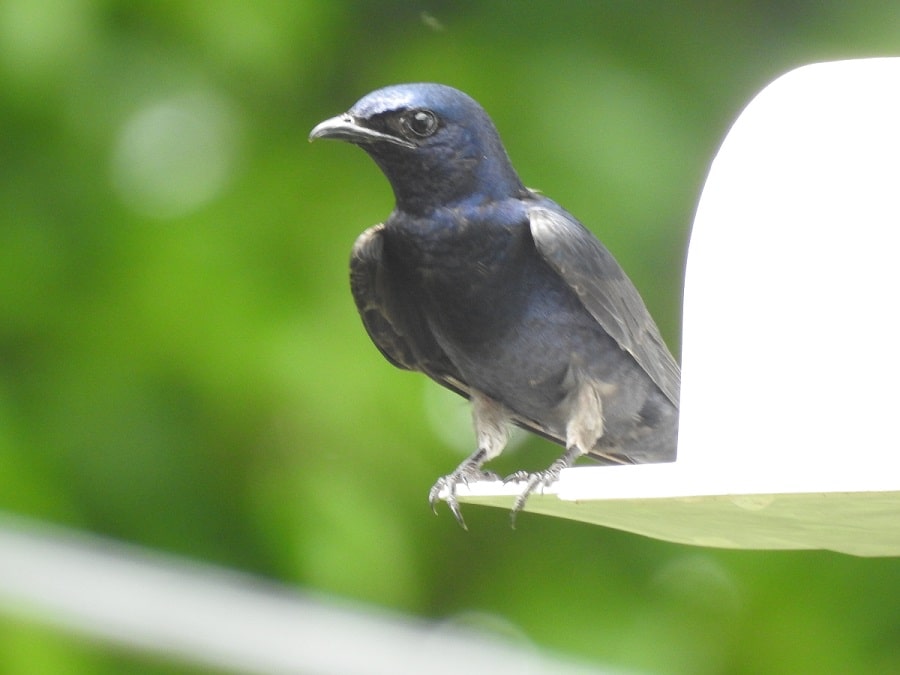
The Purple Martin Mosquito Myth Explained
Each spring, purple martins return from South America to North America.
These sleek birds may arrive as early as late January (southern latitudes) and as late as June in any part of its range, bringing with them a persistent myth.
Many believe purple martins eat thousands of mosquitoes daily. Some claims suggest 2,000 mosquitoes per day. Others say 10,000.
The truth is different.
Do Purple Martins Really Eat Mosquitoes?
The Purple Martin Conservation Association conducted a three-year study. Researchers examined 350 diet samples from parent birds feeding their young.
They collected samples across all hours of the day. They studied birds throughout the breeding season. They included mosquito-heavy habitats.
The result? Not a single mosquito was found.
According to ornithologist James Hill, founder of the Purple Martin Conservation Association, mosquitoes represent zero to three percent of a martin's diet at most.
Where the Mosquito Myth Started
The myth traces back to the 1930s. Researchers in Louisiana studied purple martins killed in car collisions on a bridge.
Their stomachs did contain thousands of mosquitoes. But these were salt marsh mosquitoes. These insects can be larger than other mosquito species.
An aluminum birdhouse manufacturer later used this finding for marketing. Their careful wording claimed purple martins can eat 2,000 mosquitoes daily.
Technically true. They just don't.
Why Purple Martins Don't Hunt Mosquitoes
The answer is simple. It's about geography and timing.
Purple martins hunt during daylight hours. They soar between 150 and 500 feet above ground. They chase substantial prey like dragonflies, beetles, moths, and flying ants.
Mosquitoes behave differently. They stay low to the earth during the day. They lurk in damp vegetation. At dusk, when mosquitoes emerge in force, purple martins settle into their roosts.
The two species barely occupy the same airspace.
What Purple Martins Actually Eat
Purple martins consume insects that farmers appreciate. Their diet includes Japanese beetles, June bugs, stinkbugs, wasps, grasshoppers, and cicadas.
During daylight hours, they often feast on dragonflies. Here's an ironic twist: dragonflies are voracious mosquito predators themselves.
Attracting martins to reduce mosquitoes may inadvertently help mosquitoes instead.
The Real Challenges Purple Martins Face
Purple martin populations have declined thirty to forty percent since 1970.
They face genuine threats including habitat loss, pesticides, and competition from invasive starlings and house sparrows.
In eastern North America, purple martins nest almost exclusively in human-made housing. No other North American bird depends so completely on our hospitality.
These birds travel 5,000 to 7,000 miles between their South American wintering grounds and North American breeding territories.
Extended cold snaps and rainy weather kill more martins than all other factors combined. When flying insects are grounded, martins cannot feed.
Why Purple Martins Still Matter
Purple martins don't need inflated claims about mosquito control to justify their existence. These birds offer liquid warbles and graceful flight.
They demonstrate complex social structures and remarkable migrations.
They're declining. They depend on us. And they return every spring without fail to the houses we've built for them.
That should be reason enough to welcome them home.
The Bottom Line on Purple Martins and Mosquitoes
If you're looking for mosquito control, purple martins aren't the answer.
But if you want to support a declining species that depends entirely on human hospitality, these birds are worth attracting.
Put up martin housing for the right reasons. Enjoy their aerial acrobatics. Appreciate their long migrations. Listen to their songs.
Just don't expect them to solve your mosquito problem.

Gene Planker, creator of Wild-Bird-Watching.com, has over 50 years of backyard birding experience and 18 years managing a 24-unit Purple Martin colony. He's a member of the Purple Martin Conservation Association, Kansas Audubon Society, and National Audubon Society. His guides have helped thousands better understand bird behavior, nesting, and feeding.


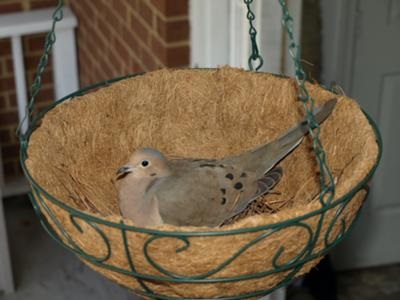

Before trimming shrubs or mowing, check for active nests. Many birds begin nesting earlier than expected, and a quick look can prevent accidentally disturbing a brood.


"What an awesome website. My little one and I enjoy playing the different bird calls and watching some of the videos, thank you!"
– Linda B., Illinois