Attracting Backyard Birds: 10 Simple Tips for Beginners
Backyard birds are one of the easiest ways to bring life, color, and year-round enjoyment to our homes. I love starting my day on the deck with a cup of coffee, watching and listening to the birds that nest, feed, and pass through my little corner of the world.
Having birds around brings a sense of peace and a closer connection to the natural world right outside our doors.
Here are 10 practical tips for attracting more birds to your yard. Results will vary by yard, region, and season, but these simple steps can make your backyard more inviting to birds throughout the year.
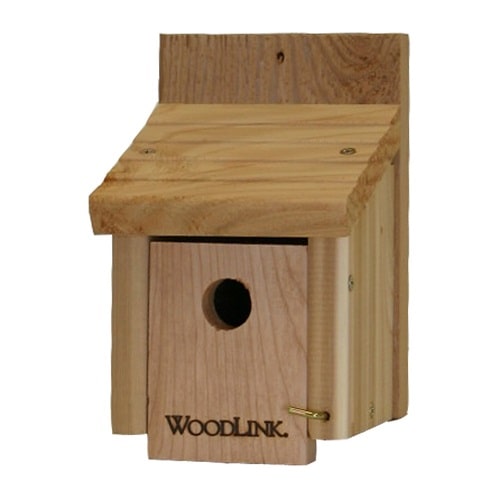
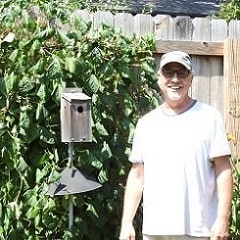
1. Birdhouses give birds a safe place to nest and raise their young. But placement matters as much as the house itself.
Mount it 5 to 10 feet off the ground in a sheltered spot away from feeders and heavy foot traffic, and make sure the entry hole matches the species you're hoping to attract. Our birdhouse chart can help you with that.
Clean the house out each fall so it's ready for the next nesting season.
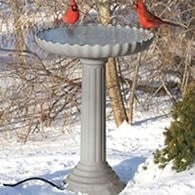
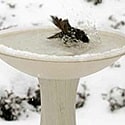
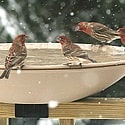
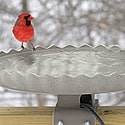
2. Consider adding a birdbath. Water is often scarcer than food for wild birds, and a reliable source draws species that feeders alone never will. In many neighborhoods it's the hardest thing to find, which makes your yard stand out.
Placing it where it gets afternoon shade can help keep the water cooler. Make sure it's cleaned often and kept full.
3. Plant in layers to give birds what they need at every level.
Tall trees like oaks or pines provide canopy cover and nesting sites, mid-level shrubs like serviceberry or elderberry offer berries and protective thickets, and low-growing flowers like coneflowers or black-eyed Susans attract the insects that many birds depend on more than seeds.
This layered habitat mimics nature, so birds feel safe moving through your yard at every height rather than just stopping by a feeder.
If you want to attract songbirds, reduce the amount of grass in your yard. Most songbirds prefer shrubs and trees over open grass areas.
4. Help birds through winter by providing natural food sources. Nut-bearing trees and berry-producing shrubs can give birds extra nutrition when insects and seeds are harder to find.
Plants such as oaks, dogwoods, serviceberries, and evergreens can also give birds places to shelter from wind, cold, and predators.
5. In summer, plant seed-bearing flowers and native plants that support insects. Many birds feed insects to their young, so flowers that attract caterpillars, beetles, and other small insects can be just as useful as seed-producing plants.
Leaving some seed heads standing later in the season can also provide food for finches, sparrows, and other seed-eating birds.
6. Avoid using pesticides in your garden. Birds feed on insects and pesticides can harm them. By not using chemicals, you also help control the insect population naturally.
7. Colorful plantings can make your yard more attractive, especially when those plants also provide nectar, seeds, berries, or insects for birds to feed on.
Hummingbirds are famously attracted to red and orange tubular flowers like salvia, cardinal flower, and trumpet vine, so clustering these near a window or patio gives you a front-row view.
Broader splashes of purple and yellow from plants like lavender or goldenrod tend to pull in finches and sparrows, while also supporting the insects that insect-eating birds follow.
Grouping plants by color rather than scattering them makes the display more visible to birds flying overhead.
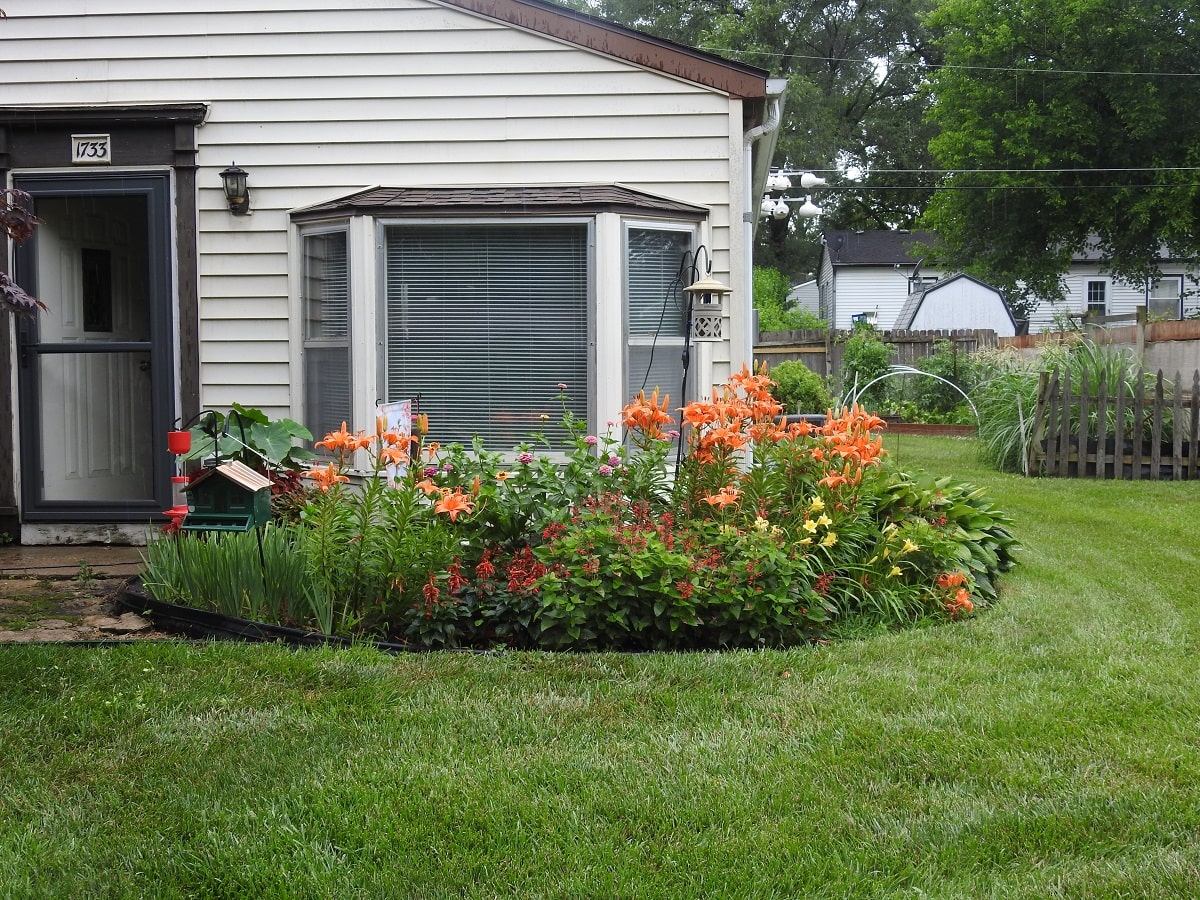
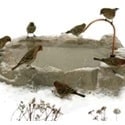
8. If you prefer not to use a birdbath, consider adding a small pond or shallow water feature. Birds prefer shallow water, so make sure they have a safe place to stand and drink.
Keep the water clean, and avoid steep sides where small birds could have trouble getting out.
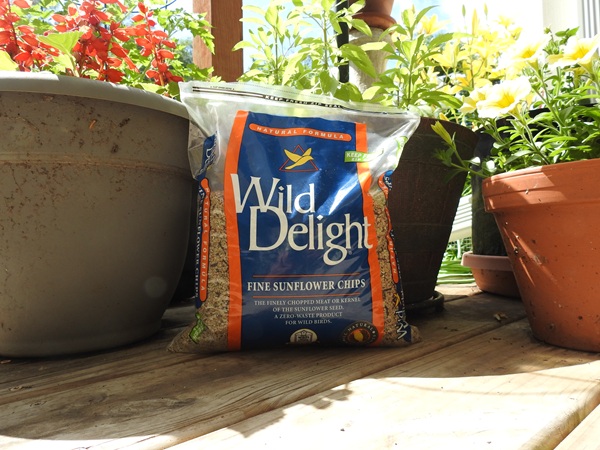
9. The right bird seed makes a real difference in which birds you attract.
Black-oil sunflower seed is the closest thing to a universal crowd-pleaser, drawing cardinals, chickadees, nuthatches, and finches, while nyjer seed in a tube feeder is especially effective for goldfinches.
Place feeders at varying heights since different species feed at different levels, and position them within 10 feet of shrubs or trees so birds have a quick escape route from predators.
To cut down on mess and discourage pests, use a tray beneath the feeder to catch fallen seed and avoid mixes heavy in filler seeds like milo, which most backyard birds ignore.
10. Add evergreen trees or shrubs where space allows. Evergreens give birds year-round cover, especially during winter storms, cold winds, and times when deciduous trees have lost their leaves.
You do not have to do everything at once. Start with clean water, safe cover, and the right food, then add more plants and nesting areas as your yard develops.
Over time, even a small backyard can become a regular stop for the birds that live, nest, and migrate through your area.
 Readers Digest Guide
|
 Golden Guide
|
 Your State Only
|
 Nat-Geo Guide
|

Gene Planker is the creator of Wild-Bird-Watching.com, where he shares over 50 years of backyard birding experience. His guides help readers understand the nesting, feeding, and behavior of backyard birds.