How to Deal with a Noisy Night-Singing Bird and Sleep Again
If you're at your wit's end, here are some steps you can take to finally get some peace.
Without a doubt, losing sleep due to a bird singing and chirping all night is frustrating.
If you're wondering how to stop a noisy bird, you're not alone, many people deal with this issue, especially with mockingbirds known for their loud, persistent calls.
Chasing the bird away may work for a short while, but it's unlikely to work permanently.
Plastic Owls, hawks, and snakes will be of little help. Mockingbirds are intelligent and will not be fooled.
Lastly, and most importantly, lethal action against the bird is big-time illegal.
Is It A Bird or Something Else?
Before you take action, make sure the chirping sound is actually from a bird and not another nocturnal creature.
Squirrels are known to make noise at night but their's is a rasping sound while a mockingbird mimics other birds and can repeat multiple sounds.
Some folks mistake a squirrel squawking as a bird sound since the noise came from a tree. Listen to the video below for the rasping a squirrel makes.
Squirrel Squawking
Katydids, crickets, and tree frogs all produce noises that resemble bird calls.
Tree frogs are common in the south from east Texas to Florida and into the Carolinas. Search YouTube for their sounds.
On the other hand, if you're sure it's a bird singing, then first things first.
There are Laws Regarding Birds.
Before attempting to stop a bird from singing at night, you need to be aware of federal and state laws that protect birds.
- Most birds are protected under the Migratory Bird Treaty Act of 1918.
- It is illegal to trap, relocate, or harm mockingbirds and most other native species.
- Only non-native species like pigeons, European starlings, and house sparrows are exempt from these laws.
While nighttime bird noise can be annoying, breaking the law to stop it can lead to fines or penalties. Charges will be under cruelty to animals!
Only trained and licensed wildlife rehabilitators who have passed a federal and/or state-administered test can care for injured or orphaned wildlife legally.
Why Mockingbirds Sing at Night
Understanding why birds sing at night can help set expectations—sometimes, the problem will resolve itself once the bird finds a mate or moves on.
- Unmated male mockingbirds are the most likely to be singing at night.
- They use their calls to attract a mate, and once they do, the night singing usually stops.
Steps You Can Take to Reduce the Noise You're Hearing
- Close all windows: Double-check that storm windows are closed for extra sound insulation.
- Use Netting: If the bird is in a small tree or shrub near your home, bird netting (sold in Garden Centers) can block access without harming the bird. Sometimes sold as deer/garden netting.
- Drown out the sound: Use a fan, white noise machine, or calming nature sounds to help mask the bird's singing.
- Wear soft foam earplugs: Inexpensive and effective, earplugs are a quick fix for blocking out unwanted noise.
- Use sound masking apps: Many free apps offer rain sounds, river flows, or relaxing music to help you sleep through the noise.
- Move sleeping areas if needed: If possible, switch rooms or sleep in a quieter part of your home temporarily. Maybe an air mattress in the living room with some white noise.
Finding an acceptable noise to drown out the singing is about the only thing we can do until either a mate is found, or he gives up and moves on.
Warning, The Following is Illegal!
I've read online of people using garden hoses and spraying the birds. It may work and it might not. It can reduce the birds temperature and cause harm or death.
At a minimum it's considered harassment, and violates local, state, and Federal laws. Charges would be under your local animal cruelty ordinances. You definitely don't want that.
|
|
|

|
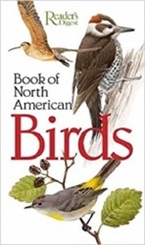
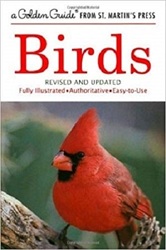
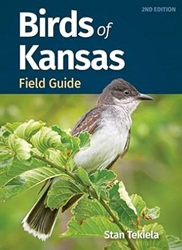
| Readers Digest Guide | Golden Guide | Your State Only | Nat-Geo Guide |


Fledging is happening Now! Keep cats indoors and stay with your dogs when outside.
Fledgling birds may be on the ground. The adults continue caring for their young for a week or two after they leave the nest.
"What an awesome website. My little one and I enjoy playing the different bird calls and watching some of the videos — thank you!"
– Linda B., Illinois