How to Stop Squirrels and Woodpeckers From Damaging Birdhouses
Squirrels and woodpeckers can enlarge a birdhouse entrance or damage the roof and sides.
An opening that becomes too large may let bigger birds or predators inside.
The good news is that most damage can be prevented, and a damaged birdhouse is often worth repairing.
Quick Checklist: Protecting and Repairing a Birdhouse
- Use a metal entrance guard to protect the hole from chewing and pecking.
- Mount the house on a metal pole with a predator baffle to discourage squirrels.
- Keep it away from branches and fences squirrels could jump from.
- Repair an enlarged hole with a guard or a wooden block and guard.
- Replace cracked, weak, or rotting boards.
- Save major repairs for when the birdhouse is empty.
Protect the Entrance With a Metal Hole Guard
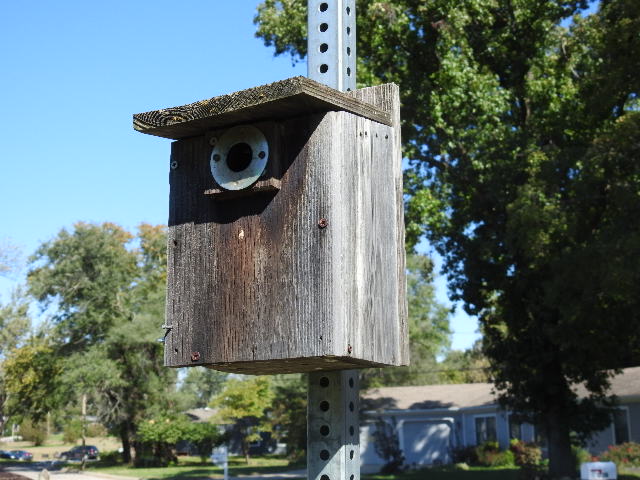
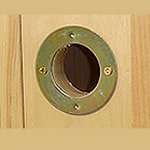
A metal entrance guard is a simple way to stop squirrels and woodpeckers from enlarging the entrance hole.
The plate covers the wood around the opening while leaving a hole the right size for the birds using the house.
For an Eastern Bluebird house, the standard round entrance is 1 1/2 inches across. Chickadees, wrens, and some other birds need different sizes. Check my birdhouse dimensions and entrance-hole size chart before choosing a guard.
You can buy a ready-made metal guard or make one from sheet metal.
It should fit securely, with no sharp edges or exposed screw tips. It's easier to put one on before the entrance is damaged, but a guard can also be part of a repair.
How to Keep Squirrels From Damaging Birdhouses
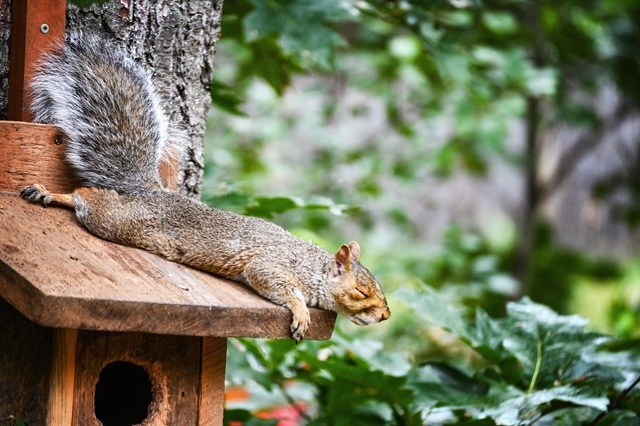
Squirrels may gnaw around the entrance to make it large enough to enter. Often they're interested in using the cavity for shelter or nesting.
Although squirrels sometimes eat eggs and nestlings, chewing at a birdhouse doesn't necessarily mean they're after the birds inside.
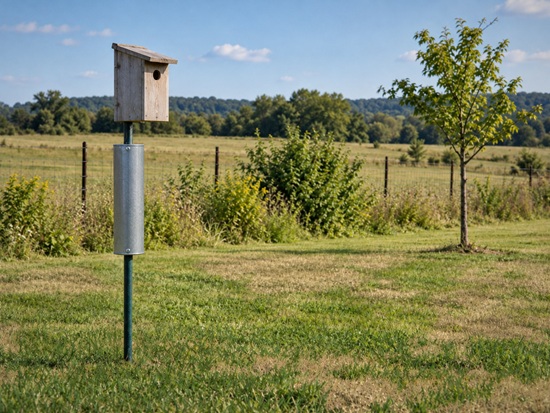
For a better defense, mount the birdhouse on a smooth metal pole with a properly fitted predator baffle.
A stovepipe or cone-shaped baffle makes climbing harder for squirrels and helps keep out other climbing predators, including raccoons and snakes.
Placement matters, too. Keep the house far enough from trees, fences, and overhanging branches that a squirrel can't jump past the baffle.
An open grassy area works well for bluebirds, especially with a nearby tree they can use as a lookout. See my guide to bluebird house placement and dimensions.
Cornell's NestWatch predator protection guide has instructions for different baffle designs.
How to Prevent Woodpeckers From Damaging Birdhouses
Woodpeckers can fly directly to a birdhouse, so a pole baffle won't stop them. Some peck around the entrance to enlarge a cavity they may want to use for shelter or roosting.
A metal hole guard protects that part of the house, although it won't necessarily keep the woodpecker from visiting.
Damage elsewhere on the box can have another cause. Carpenter bees drill tunnels in wood, and woodpeckers sometimes peck into those tunnels looking for bee larvae.
The result may be larger, irregular holes in the side of the birdhouse.
If you find this kind of damage, inspect the boards after the nesting season. Replace wood that has become badly weakened.
Cornell's NestWatch article about carpenter bee damage explains what to look for.
Was It a Squirrel or a Woodpecker?
The damage may offer a clue, although you can't always tell which animal caused it without seeing it happen.
| Likely Cause | Signs of Damage | What to Do |
|---|---|---|
| Squirrels | Rough, gnawed edges around an enlarged entrance hole. | Install a metal entrance guard and use a predator baffle to keep squirrels from reaching the house. |
| Woodpeckers | Chipped wood and peck marks around the entrance, or holes in the sides of the birdhouse. | Protect the entrance with a metal guard. Repair damaged sides or replace weakened boards. |
How to Repair a Damaged Birdhouse Entrance Hole
First, check whether the wood around the entrance is still solid.
If the damage is minor, a metal guard large enough to cover the chewed or chipped area may be all you need.
Attach it to sound wood, and make sure the opening is centered, correctly sized, and free of sharp edges.
If the hole has become too large for a guard alone, attach a small hardwood block over the damaged area.
Drill a new, correctly sized hole through the block, line it up with the entrance, and fasten it securely.
Then add a metal guard over the block to prevent further chewing or pecking.
The block provides a solid surface for the repair and the added depth may prevent some predators from reaching inside.
The metal guard protects the wood from further damage.
When the front panel is cracked, rotten, or badly damaged, replacing it is usually better than patching it.
Use the old panel as a pattern and cut a replacement from suitable untreated wood.
Make sure the entrance is the right size and the box can still open for cleaning and monitoring.
What About the Roof or Sides?
Small damage to sound wood may be repairable, but replace boards that are soft, cracked, or letting rain inside.
Check that the roof sheds water and that repairs don't block ventilation near the top or drainage holes in the floor.
Look for exposed nails or screws inside before putting the house back into use.
What If Birds Are Already Nesting Inside?
Finding damage while birds are nesting is troubling, but avoid taking down the house or drilling and hammering while eggs or nestlings are inside.
If the box is secure and the birds aren't in immediate danger, wait until nesting is finished before making repairs.
If an enlarged hole leaves the nest exposed, contact an experienced bluebird trail monitor or wildlife rehabilitation organization for guidance before making changes that might disturb the birds.
Once the house is empty, you can make the needed repairs and check that everything is secure.
Check Your Birdhouses Before Nesting Season
Before birds begin nesting, look for enlarged holes, loose boards, damaged roofs, and baffles that have come loose.
Check whether branches have grown close enough for squirrels to jump onto the house. Regular checks are especially helpful if you maintain a bluebird trail.
A birdhouse doesn't have to look new to be useful. A little weathering is fine, and many damaged boxes can be repaired rather than replaced.
Related Reading:
- How to Attract Bluebirds to Your Yard - Learn about nesting habitat, birdhouse placement, and protecting bluebirds.
- Choosing, Placing, and Caring for Birdhouses - More about providing suitable nesting places for backyard birds.

Gene Planker is the creator of Wild-Bird-Watching.com, where he shares over 50 years of backyard birding experience. His guides help readers understand the nesting, feeding, and behavior of backyard birds.

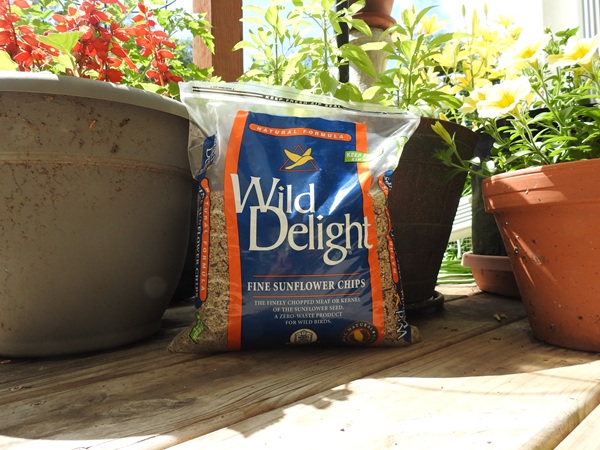
Best seed for winter feeding? Black-oil sunflower seeds, sunflower chips in finch feeders, suet for woodpeckers. Safflower for Cardinals and White Millet for Doves.

"What an awesome website. My little one and I enjoy playing the different bird calls and watching some of the videos, thank you!"
– Linda B., Illinois