Discover The Best Types of Bird Seed For The Most Colorful Birds
When it comes to what types of bird seed there are and which you should have in your backyard feeder, you'll find plenty.
While one type may attract many birds, not all birds will eat the same seed.
It depends on the bird and its bill size as to what it eats.
To attract not only the most birds but some of the most colorful birds, you'll need the seed they're most attracted to. We're here to help you with that.
The chart below will assist you in understanding what is available and which birds will be attracted to the various varieties of seeds.
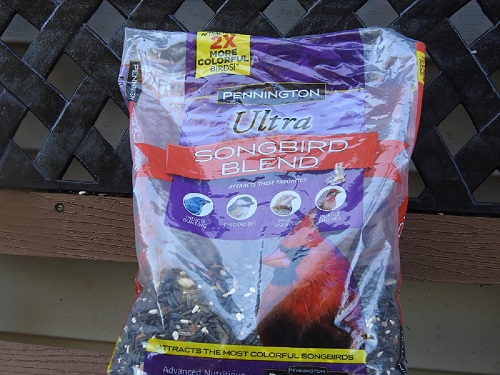
Great Mix Without What They Don't Want
Looking closely, you'll see there is some overlapping of several birds liking the same type of food.
Knowing what individual species like will take the guesswork out of what you want to offer in your bird feeders.
Think about the bird species you want to invite to your backyard feeders. Then, by using the seed chart at the bottom of this page, you'll be able to find the seed that best suits that species.
Below, I'll discuss the most common types you see on store shelves. This will offer you a place to start.
By the way, don't forget to try something new. You may find birds in your backyard you never knew were there!
What's the Very Best Birds Seed for Wild Birds
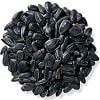
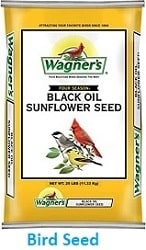
Black-Oil Sunflower Seed - Considered the #1 best sunflower seed to feed and attract the greatest variety of birds here's why.
Rich in oil, black oil sunflower seeds give birds the energy they need to live. The thin shell makes it an easy bird seed to open, even for the smaller birds.
Offer this type of food in a Hopper Style Feeder or Squirrel Proof Tube Type bird feeder.
You'll attract Cardinals, Nuthatches, finches, and a variety of others.
If you are going to offer only one type, give black oil sunflower seed a try. Keep in mind that not all birds will choose sunflower seeds.
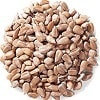
Hulled Sunflower Seed - This type is the same as above except that the shell has been removed. Because it is more expensive, offer it in a squirrel proof type of feeder.
The nice thing about offering sunflower hearts and chips is that there is no mess since all the food is edible.
Black-oil sunflower seeds left on the ground may prevent some plants from growing.
If this is a concern in the area you are feeding birds, try using hulled seed instead. You'll attract the same birds and a few others, without the mess.
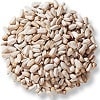
Safflower is a favorite seed of the Northern Cardinal. House Finches and Mourning Doves will also feed on this type.
The nice thing is that most squirrels will leave it alone and you can place it on a platform/hopper feeder.
Cardinals can more easily feed from tray/platform feeders rather than ones with small perches.
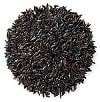
Nyjer - Thistle Seed Thistle, or more accurately, Nyjer seed, is a finch favorite.
A specialty food loved by Goldfinches, Purple Finches, and even Mourning Doves.
This tiny black birdseed from India and Africa is available at most places that offer wild bird food.
Long used in Canary mixes, it's now common as a wild bird food source.
Goldfinches are attracted more to the nyjer than any of the others on the list.
Each year we present both kinds to attract as many birds as possible. Pine Siskins also like nyjer seed.
And yes, even as tiny as this seed is, it still has a shell (hull) that will pile up on the ground.
Fortunately, the seeds will not sprout because it's sterilized before entering the U.S.
A special feeder with small ports will be needed when offering this type seed. For a variety of these types of feeders, see Thistle Feeders.
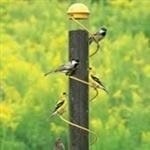
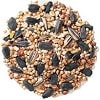
Striped Sunflower - While most birds prefer black oil sunflower to striped sunflower seed, it still remains a less expensive alternative.
Try placing some on a platform feeder to prevent squirrels and raccoons from raiding your regular feeders. Place it away from your bird feeders.
The shell is harder than black oil sunflower seed, making it more difficult for small birds to open.
Still, you'll get plenty of Bluejays, Cardinals, and many Woodpeckers offering striped sunflower seed.
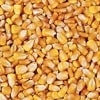
Cracked or whole-kernel corn - will attract Eastern Bluebirds, Jays, Pheasants, and many types of game birds.
By offering cracked corn throughout the year, you'll be able to watch birds that normally don't visit your other feeders.
Available at feed supply and birdwatching aisles of most stores.
It is best to place cracked corn on platform feeders or scatter some on the ground for game birds.
Be aware that mammals will also be visiting. These include raccoons, opossums, and rodents.
What Are the Best Wild Bird Seed Mixes?
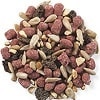
Premium Mixes - These are packages of a mixture of bird seeds that are attractive to a variety of birds.
These contain black oil sunflower, peanut, millet, striped sunflower, and others mixed in the same bag.
My preference is to offer each separately. Less desirable birds may drive the more desirable birds away.
You'll waste money on most wild bird seed mixes since the birds will toss out any seed they don't like.
Still, if you only have one feeder, then splurge and get the best wild seed mixes you can. The one above is a good place to start.
Cheap Wild Bird Seed Mixes
While not labeled as such, cheap birdseed mixes rarely attract the most desirable birds.
The label will show them as being a mix of red and white milo, cracked corn, wheat, striped sunflower, and other seeds.
Any desirable birds that feed on these types of bird seed will readily come to eat at any of the others you offer.
Most of the birds will toss or kick this type of seed out. You'll see them picking or kicking it out of the feeder.
Most of the cheaper seed mixes are derivatives of the poultry industry. As such, not suited for bird-watching enthusiasts.
By offering a higher quality bird seed, you'll get the birds your neighbors are not getting because they offer cheap mixes. Which ends up on the ground offering no real savings.
Offering Suet in Winter Will Bring the Birds
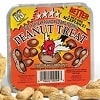
Suet - While not a bird seed, so many birds are attracted to suet that I'll add it to this article.
They make the base of the suet from beef fat. Most stores that offer seed also offer suet.
You'll find a wide variety of suet types. Suet will be mixed with birdseed, berries, peanut butter, and a variety of other things birds like.
Some birds that enjoy suet are Black-capped Chickadees, Woodpeckers, Nuthatches, and Wrens.
Offer suet in a suet feeder. Check out the link to see what they look like.
Want to Know a Secret About Offering Suet? Here's mine.
Here's my little secret when it comes to purchasing Suet. To get the most birds, purchase the darkest color offered.
Usually, the ones with the most peanuts will draw the most birds, and the darker varieties have more.
Once you decide which birds you want to attract, you'll find the Bird Seed Types here.
Seed Chart For Feeding Birds
Bird Feeding Chart Provided by Dad's Woodshed LLC (used with permission)
Type of Bird |
Food Preference |
| Blue Jays | Sunflower seed, safflower, cracked corn, peanuts, suet, bread, peanut butter, lard mixes, seed mixes |
| House Finch | Mixed seed, peanuts, fruit, suet, nyjer, sunflower, safflower, |
| Goldfinch | nyger, sunflower seed, hulled sunflower, millet, fruit, suet, peanuts |
| House Wren | Suet, bread crumbs |
| House Sparrow | Mixed seed, sunflower seeds |
| Wrens | Suet, suet mix, peanut butter, bread, apples |
| Indigo Bunting | Peanuts, millet, variety of seeds |
| Northern Flicker | Suet, peanut butter, sunflower seeds, fruit, meat, bread |
| Oriole | Oranges, apples, grape jelly, oriole jelly, sugar water, soft raisins |
| Painted Bunting | Sunflower seeds, seed mixes |
| Pine Grosbeak | Sunflower seeds, grain |
| Pine Siskin | Nuts, rolled oats, nyjer, mixed seeds, sunflower seeds, sunflower chips, millet, suet |
| Purple Finch | Sunflower seeds, nyjer |
| Red Crossbills | Sunflower seeds, nyjer |
| Red Poll | Suet, bread, sunflower seeds |
| Red-winged Blackbird | Bread, cracked corn, mixed seeds, sunflower seeds, sunflower chips, millet, suet |
| Robins, Bluebirds, Thrushes | Apples, sunflower seed, bread, grapes, suet, mealworms, berries, raisins, nut meal, seed mixes |
| Rose-breasted Grosbeaks | Sunflower seeds, grapes, orange halves |
| American Goldfinch | Sunflower seeds, nyjer |
| Black-billed Magpie | Meat, bread |
| Bobwhite Quail | Sunflower seeds, seed mixes |
| Brown-headed Cowbird | Bread, cracked corn, sunflower seeds, seed mixes |
| Bushtit | Bread, sunflower seeds, bird seed mixes |
| Cardinals | Cracked corn, nuts, sunflower seeds, safflower, millet, peanuts, apple, bread |
| Black-capped Chickadees | Sunflower seeds, peanuts, bread, suet |
| Crows | Bread, scraps, corn, suet |
| Magpies | Scraps, suet, peanuts, bread |
| Downy Woodpeckers | Sunflower seeds, corn, cornbread, peanut butter, suet, shelled peanuts, sunflower seeds |
| Grosbeaks | Sunflower seeds, safflower, apple, fruit, suet, millet, bread, peanut kernels |
| Buntings | Sunflower seeds, safflower, apple, fruit, suet, millet, bread, peanut kernels |
| Grackles | Sunflower seeds, bread, scraps |
| Titmouse | Sunflower seeds, suet, bread, safflower, peanuts, peanut kernel |
| Chickadees | Peanut kernel, sunflower seeds, suet, bread, safflower |
| Nuthatches | Suet, suet mix, sunflower seeds, nuts, cracked corn, bread |
| Creepers | Suet, suet mix, sunflower seeds, nuts, cracked corn, bread |
| Mockingbirds | Halved apples, fruit, bread, suet, sunflower seeds, nuts |
| Thrashers | Halved apples, fruit, bread, suet, sunflower seeds, nuts |
| Flycatchers, Phoebes | Bees, wasps, ants, mealworms |
| Kinglets | Suet, bread |
| Waxwings | Berries, raisins, sliced apple, canned peas, currants, grapes |
| Warblers | Suet, suet mix, water, fruit, breads, sugar water, nut pieces |
| Tanagers | Suet, fruit, sugar water, mealworms, bread |
| Song Sparrows | Sunflower seeds, seed mixes, bread, nyjer, millet |
| Starlings | Bread, scraps, suet |
| Stellers Jay | Nuts, scraps, suet |
| Tree Sparrows | Wild bird seed mixes, millet |
| Sparrows | Millet, peanut kernels, suet, bread, canary seed, sunflower seed |
| White-breasted Nuthatches | Peanuts, sunflower seeds, suet, safflower |
| Hairy Woodpeckers | Sunflower seeds, nuts, cheese, apples, bananas, suet, peanut butter |
| Yellow-bellied Sapsuckers | Nutmeats, suet, fruit |
| Quail | Cracked corn, millet, berries |
| Pigeons | Cracked corn, sunflower seeds, milo, bread, nyjer, nuts |
| Doves | Cracked corn, sunflower seeds, milo, bread, nyjer, nuts |
| Roadrunners | Meat scraps, suet |
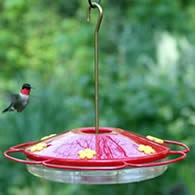
| Hummingbirds | Plant nectars, small insects, sugar water, instant nectars |
| Woodpeckers | Insects, fruit, sunflower seeds, suet, nuts, sugar water |
| Western Tanagers, Scarlet Tanagers | Orange halves, grapes |
| Juncos | Millet, sunflower seeds, cracked corn, peanuts, bread, nut meats, nyjer, suet |
| Towhees | Millet, sunflower seeds, peanuts, grapes, cracked corn, suet |
| Rufhouse-sided Towhee | Birdseed mixes, thistle, sunflower seeds, millet, cracked corn |
| Baltimore Oriole | Suet, orange halves |
| Brown Thrashers | Orange halves, cracked corn |
| Carolina Wrens | Suet, sunflower chips |
| Catbirds | Raisins, grapes, orange halves, suet |
| Mourning Dove | Millet, nyjer, sunflower chips, safflower, cracked corn |
| Pileated Woodpeckers | Suet |
| Red-bellied Woodpeckers | Suet, sunflower seeds, peanuts, orange halves, safflower, cracked corn |
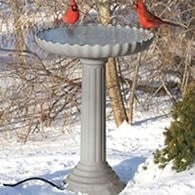
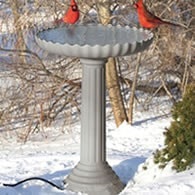
No matter what birdseed you feed birds, the most important thing you can do is provide water all year, especially in winter.
Products Mentioned in Article
Feeders Mentioned in Article
These are all the best bird seed for wild birds wherever you live in the US including Alabama, Alaska, Arizona, Arkansas, California, Colorado, Connecticut, Delaware, Florida, Georgia, Hawaii, Idaho, Illinois, Indiana, Iowa, Kansas, Kentucky, Louisiana, Maine, Maryland, Massachusetts, Michigan, Minnesota, Mississippi, Missouri, Montana, Nebraska, Nevada, New Hampshire, New Jersey, New Mexico, New York, North Carolina, North Dakota, Ohio, Oklahoma, Oregon, Pennsylvania, Rhode Island, South Carolina, South Dakota, Tennessee, Texas, Utah, Vermont, Virginia, Washington, West Virginia, Wisconsin, Wyoming,
More Information
Baking Seed to Prevent Sprouting - A Good Idea?
Setting Up A Bird Feeding Station - How To